
BLOG
Beware of Rental Scams

Warning Regarding Online Rental Schemes
By Wayne S. Bell, Real Estate Commissioner California Bureau of Real Estate
Issued: October 2013
In prior consumer alerts, the California Department of Real Estate, the predecessor of the California Bureau of Real Estate (“CalBRE”) issued warnings to prospective renters about (i) imposter landlords and (ii) scams perpetrated by or in connection with Prepaid Rental Listing Services.
There are almost endless varieties of real estate and rental fraud. Some are new. Many are old, and some are just variations on timeworn scams.
CalBRE has received reports and been made aware of online rental scams (often using such Internet sites such as Zillow, Trulia, Craigslist, and HotPads), and we want to warn the public about some of the most common ones.
Included in this warning is a list of “red” flags or signs to look for, suggestions on how prospective renters can protect themselves, and reporting recommendations for those potential renters who have been victimized.
Common Scams
In most cases, the fraud involves a scammer who:
- Duplicates or “hijacks” an actual listing of a property that is for rent.
- Creates a fake or fictitious listing for a rental property.
- Offers for rent a real, but unavailable, property.
- Rents a property that is in foreclosure and which will soon be sold, or that has been fully foreclosed (or is in pre-foreclosure).
In the cases mentioned above, the perpetrators do not own the properties (although they oft-times pretend to be the owners) and they are not authorized or licensed to rent the properties.
In most of these cases, the scammers collect money (usually via wire transfer) from the victims for deposits, fees and rents, and in a number of the cases obtain enough personal information, such as social security, driver license and bank account numbers, to steal the identities of the “renter” victims.
For the fraudsters, these are crimes of opportunity and they are simply taking advantage of individuals who are looking for rental housing in a tight real estate market. The perpetrators engage in these crimes (via the Internet ether) because they have found success with such scams and continue to find victims who send money and/or who provide personally identifying information that can be used by the scammers to commit additional crimes.
Please see Consumer Alert – Beware of Imposter Landlords and Consumer Fraud Alert and Warning – Prepaid Listing Services (PRLS).
Because of the anonymity and widespread availability of the Internet, an online rental scam can be started and operated from anywhere in the United States or in other countries.
“Red” Flags
While none of the “red” flags below is definitive proof of fraud, the following are warning signs of a possible scam:
- The advertised rental rates are low (many times very low) compared to other rentals in the area. Always remember the time-tested adage that if something seems too good to be true, it probably is.
- The purported landlord or agent requests that the advance payment of rents and deposits (and possibly other fees) be made via cash or wire transfer (such as Western Union), and/or asks for personal information such as social security number, bank account information, and driver license number. It is important to note that payments made by cash or wire transfer provide little – and usually no – recourse, especially since the scammer to whom the funds are wired usually disappears and cannot be found. While credit card payments are not accepted by many landlords or property rental agents, prospective renters should – to provide an amount of self-protection – ask to pay for rents, deposits and fees by credit card.
- The supposed owner or rental agent is either out of the country or in another State, or is in a hurry to leave California, and states that the rental property cannot be shown or toured.
- The prospective landlord or property agent is not willing to meet in person, and/or applies pressure to complete the rental transaction as soon as possible.
Ways that Prospective Renters Can Protect Themselves
The best advice for prospective renters is to be wary, and to conduct their own diligence and investigate the person with whom they are dealing or negotiating, and the property itself. In this regard, potential renters should:
- Confirm or verify the identity of the supposed landlord or property agent. To see who owns the property, contact a licensed California real estate agent, the county recorder’s office in the county where the property is located, and/or a title company. Talk with neighbors about the property and ask who owns it, and ask a lot of questions about the rental history of the property. If dealing with a property manager or leasing agent (who does not live at the property), look them up on the CalBRE website (www.bre.ca.gov) to see if they are licensed. If they are, check to see if they are disciplined or otherwise restricted in the real estate practice that they can do. Also, check the person out on Google or other search engines, and through the Better Business Bureau.
- Confirm that the property is not in foreclosure or pre-foreclosure. This is especially true when renting a house. The mortgage loan should be in good standing and not in default.
- Not rent a property without viewing and touring it in person.
- Not pay or transfer any money without reviewing all rental documents, and getting copies of all writings pertaining to the property.
- Demand to meet and then actually meet the supposed owner or property manager in person, and ask many questions about the property and the neighborhood.
- Work with an experienced, competent, and licensed California real estate broker, or salesperson working under the supervision of a broker.
- Take photographs of the property.
- Not pay anything in cash or wire transfer money.
- Do research on what comparable properties rent for.
The essential point here is that prospective renters, in order to protect their interests, and not become a scammer’s next victim, must remain skeptical, proceed cautiously, do their own investigation of the property and individuals involved with the rental(s), and be aware of and look for revealing signs of fraud.
After Falling Victim or Becoming Aware of an Online Rental Scam
If a prospective renter has been scammed, or becomes aware of an online rental scam, he or she should immediately report the fraud and file complaints with one, more or all of the following:
- The relevant Internet provider (e.g., Zillow, Trulia, etc.).
- CalBRE if a real estate licensee is involved, or if the scammer is unlicensed and purporting to be a real estate agent. Please contact CalBRE at www.bre.ca.gov.
- The California Attorney General, at www.oag.ca.gov/consumers.
- The District Attorney, Sheriff, local police and local prosecutor in your community.
- The Federal Trade Commission, at www.ftc.gov.
- Federal Bureau of Investigation (FBI), at www.fbi.gov.
- The Consumer Financial Protection Bureau at www.cfpb.gov.
Issued: October 2013
Call Laura Key for your real estate needs, rentals, sales, purchase, investment! 310.866.8422 Search for homes NOW!

FHA Limits for Los Angeles Area
Homeownership is not out of reach. FHA limits in California are one of the highest in the country. I have great lenders that can help you reach your real estate goals! Call me to get started on your homeownership goals!!! Laura Key 310.866.8422
Here are the current limits for Los Angeles (as of August 23, 2013) FHA allows 3.5% downpayment over a 15 to 30 year term!
Single Family $729,750
Duplex $934,200
Tri-Plex $1,129,250
Four-Plex $1,403,400
Source: FHA.com
Feds Sue BofA over 2008 Bonds Backed by Prime Jumbo Mortgages
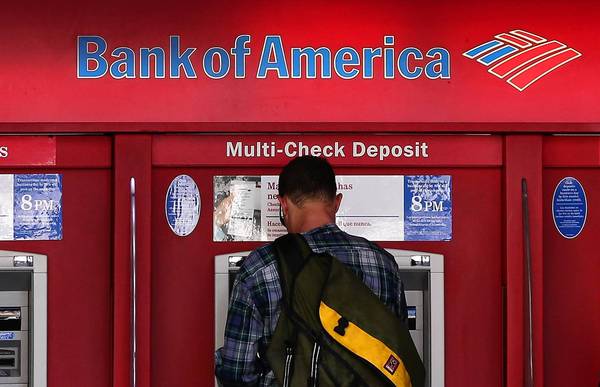
The federal government is accusing Bank of America Corp.of securities fraud, saying the second-largest U.S. lender lied to investors about flaws in supposedly prime loans, including some resembling subprime "liar loans," when it sold $850 million in mortgage bonds in 2008.
Lawsuits filed by the U.S. Justice Department and Securities and Exchange Commission are the latest in a long string of government and private mortgage-related civil actions targeting banks. BofA has drawn a disproportionate number because of the liability it shouldered in 2008 when it acquired the enormous subprime lender Countrywide Financial Corp. of Calabasas.
The new DOJ and SEC suits, filed Tuesday, are the first such government suits not to involve Countrywide, instead accusing BofA itself of wrongdoing. In another unusual twist, they focus on jumbo mortgages -- the outsized home loans designed for wealthy borrowers.
The SEC said losses so far to investors in the mortgage-backed securities have totaled about $70 million and may eventually reach as high as $120 million. The investors included the Federal Home Loan Bank of San Francisco andWachovia Bank, the East Coast giant that nearly failed and now is part of Wells Fargo & Co.
A BofA statement blamed the housing market collapse for defaults in the pool of loans backing the bonds, and said they performed better than similar bundled loans from that era. The bank maintained that it would show the bonds were bought by "sophisticated investors who had ample access to the underlying data" -- but presumably didn't bother investigating.
The DOJ said BofA made most of the loans through mortgage brokers, not telling the investors that it had learned at the time that these loans were defaulting at a high rate. BofA no longer makes mortgages through third-party channels.
Despite the affluent clientele, about 15% of the mortgages resembled the subprime "liar loans" that led to so many defaults, the DOJ suit said. These "Paper Saver" loans were made to self-employed borrowers without bank verification of their income or assets, it said, accusing BofA of not disclosing the percentage of the loans made in this high-risk manner.
"As Defendants knew, mortgages given to self-employed borrowers were more risky than mortgages given to salaried borrowers and stated income/stated assets mortgages given to self-employed borrowers were even riskier," the lawsuit said.
The DOJ lawsuit alleged violations of a 1989 law that allows the government to seek hefty civil penalties. It says that in addition to other problems, BofA violated its own underwriting standards in issuing the loans and did not perform a due-diligence investigation at the loan level when it securitized them.
Source: LATimes By E. Scott Reckard August 6, 2013, 4:45 p.m.
More Renters Say They Want to Own, Survey Finds
Interested in purchasing a new home! I have a team that can help you reach your real estate goals! Call me today! Laura Key 310.866.8422

The majority of renters say home ownership is one of their highest priorities for their future, and more renters are saying they want to buy soon, according to the 2013 National Housing Pulse Survey, conducted by the National Association of REALTORS®. Renters are showing stronger desires for home ownership compared to recent years, according to the survey.
“Home ownership matters to Americans who consistently realize the many benefits it provides to communities, families, and the nation’s economy,” says NAR President Gary Thomas. “Due to high housing affordability and today’s interest rates it makes sense for people to consider home ownership over renting. In fact, in many parts of the country it’s cheaper to own a home than to rent one. Therefore, it’s no surprise that renters recognize that owning a home offers tremendous long-term benefits and is an investment in their future.”
Fifty one percent of renters say that eventually owning a home is one of their highest personal priorities, up from 42 percent in the 2011 survey.
The survey found that 80 percent of the 2,000 Americans surveyed say they believe buying a home is a good financial decision. Sixty-eight percent said now is a good time to buy a home, too.
Their main motivations to home ownership: Building equity, wanting a stable and safe environment, and the freedom to choose where to live, the survey found.
Meanwhile, the main obstacles to home ownership have remained the same over the years: saving for the down payment, closing costs, low wages, and student loan debt.
“Student loan debt is a concern for many consumers in today’s market, especially first-time buyers,” Thomas says. “Buyers with student loan debt may find it difficult to access mortgage credit, as well as save for a down payment. Pending mortgage finance regulations requiring higher down payments could also contribute to the already tight lending environment. REALTORS® are working with regulators to address this issue and are committed to making sure those who are willing and able to own a home have the opportunity to pursue that dream.”
Scam Alert: Beware of 'Change My Address' Sites
Beware of scams. Something that seems so simple as changing your address online can cause many problems.

It's one of the million little things you need to do when you move -- contact the postal service to change your mailing address.
Here's where the problem can occur: Many people do a random search for "address change" and wind up on one of a number of sites run by private businesses. These companies charge anywhere from $17 to $24 to file that simple change of address form for you, something you can do yourself onthe official USPS site for a dollar.
Scambook.com, an online complaint resolution site, has heard from hundreds of consumers about such "change of address" sites.
"Some people report they are charged $1.00 at first, but then a short time later, there's another charge for additional services they did not knowingly purchase," said Scambook's Miranda Perry.
Most of these complaints are about a site called Change-My-Address.com. The company's Google Search advertisement appears at the top of the list when you search terms like "forward my mail," "change my address," register new address" or "USPS change of address."
Angela Leddy went online to change her address after her recent move to a new house in Indianapolis. She searched for "change my mailing address" and saw an ad that said "USPS® Change of Address Form. Fast & Secure Mail Forwarding."
She clicked on the link and landed on Change-My-Address.com. Thinking she was on the U.S. Postal Service site, Leddy filled out the form and punched in her credit card number. Two days later, Leddy spotted a $19.99 charge on her account. And she was furious.
"It's deceitful, it's deceptive and it's misleading," she said. "And for someone who's pretty Internet savvy, I was scammed."
Leddy called the company and they agreed to refund $10. Not satisfied with that partial refund, Leddy complained to the Better Business Bureau of Cincinnati (where the company is located), which got the company to refund the rest of her payment.
The BBB has received more than 150 complaints in the last year about Change-My-Address.com.
"That's a lot of complaints for one company," said Leslie Kish, vice president of operations at the Cincinnati BBB. "There is a pattern of complaints about customer service and refund issues. Some people said they paid the money and did not receive the change of address service."
Change-My-Address has an F rating with the Better Business Bureau.
In a statement emailed to NBC News, Change-My-Address.com said it addresses all complaints and offers a partial refund of $10 to anyone who requests it within 10 days.
"We have worked since our inception to be in compliance with all local, state and federal laws," Benjamin Miller in corporate communications wrote. "We have attempted to work with our local Better Business Bureau, unfortunately with little success. However, we answer all complaints with the BBB and have a positive resolution rate better than 97 percent."
The company said it gives its "members" generous value-added services for that $19.95 fee, such as special offers from major retailers.
Miller noted that the company says in six different places that is it not affiliated with the USPS. Here is the notice on the company's home page:
Change My Address is a private business entity that facilitates the address change process for its users and is not affiliated with the US Postal Service™. The fee for this service is to cover the postage, handling, additional services not available through the post office and processing fees charged by the US Postal Service™. If you just wish to file with the US Postal Service and not receive our additional benefits, you may do so by visiting the USPS® website. There is a one dollar processing fee charged by the USPS® for submitting an online address change request that must be paid with a valid debit or credit card.
Note: The $19.95 charge is not mentioned in that disclosure -- or anywhere else on the home page. That detail is buried in the fine print on the "Legal Terms" page ... if you bother to click on that link to that page. Instead, there is a disclosure box at the top of the payment page that indicates you are agreeing to a one-time charge of $19.95.
But, it's easy to miss that price information because of the way that page is designed. The top of the payment page (where the price is shown) comes up above the top of your screen. You don't see it unless you scroll UP on the page. When I tried the site, I missed it the first two times, and I was specifically looking for pricing information.
It's easy to understand why people like Geoffrey Faucett, who recently moved from Kansas to North Carolina, are so upset when they find that unexpected charge on their credit or debit card. Faucett thought he was on the official Postal Service site and expected to pay a dollar.
"I think it's wrong to take advantage of people like this," he told me. "It's a total rip-off."
Why are so many people confused about the true nature of this site?
The Better Business Bureau believes it may be because of the wording of the company's Google Search ad which says "USPS® Change My Address--Change-My-Address.com," and "USPS® Change of Address Form."
Back in February, the BBB notified Change-My-Address.com that it was concerned the ad "may create the impression that the business is related to the United States Postal Service."
In April, the BBB met with the company and requested it make changes to those ads to "more clearly explain" that it is not connected with the USPS. Those modifications have not been made.
It's perfectly legal for change of address companies to charge for this service. But you can do it easily yourself for only a dollar by going to the official United States Postal Servicewebsite or for free by visiting you neighborhood post office.
Source: Realtor Magazine
IRS Simplifies Home Office Deduction
Working from home can be beneficial! Hope these tips help! Need a home checkup? Call me Laura Key 310.866.8422

The number of home owners who work from home at least one day a week increased nearly 10 percent — from 9.5 million to 13.4 million — between 1999 and 2010, according to U.S. Census Bureau data. However, only 3.4 million home owners claimed deductions for business use of a home in 2010, according to the IRS.
The IRS recently announced a new safe harbor provision for home office deductions for the 2013 tax year.
“This allows at-home workers the option to simply take a deduction capped at $1,500 per year based on $5 a square foot for up to 300 square feet,” FOX Business reported. “The requirement that home office space be exclusively used for business and limitations on income earned from that business still applies, and direct business expenses unrelated to the home (advertising, supplies and wages paid to employees, etc.) are fully deductible.”
"The home office deduction is one of the most misunderstood and abused deductions out there," says Margaret Munro, a tax consultant, about the changes. "If you have a valid home office, you take the deduction because you shouldn't be paying tax on money that you're using for your business."
For more information on the deduction, visit the IRS Web site.
Source: “IRS' Simpler Home Tax Deduction Cuts Through the Clutter,” FOX Business (July 24, 2013)
Report: Default Rate on HAMP Mods High
Are you in trouble? Are you facing foreclosure? Call me, let's have a free consultation along with coffee! Laura Key 310.866.8422

The high re-default rate on mortgages modified through the government's Home Affordable Modification Program is mostly because of borrowers who received the smallest reduction in payments through the program, are still underwater on their loans, or have subprime credit scores, according to a new report by the Special Inspector General for the Troubled Asset Relief Program.
Of the nearly 1.2 million mortgages modified through HAMP in the last four years, 306,000 borrowers have re-defaulted on their loans, the report said. More than 88,000 more borrowers are at risk of re-defaulting, too.
The report also found that the longer a home owner stays in the HAMP modification program, the more likely they are to default. Borrowers who have been part of the program since 2009 have a re-defaulting rate of 46 percent.
HAMP helps borrowers by reducing the interest rate on at-risk mortgages, extending loan terms, or reducing mortgage principal.
"Treasury needs to research why so many borrowers are dropping out of the program," says Christy Romero, the head of SIGTARP.
Source: “Borrowers in Obama housing program re-defaulting, watchdog says,” CNNMoney (July 24, 2013)
10 Most Desirable Do-it-Yourself Outdoor Projects
Increasing the value of your home does not have to mean it's costly! Call me today for free Home Checkup! Laura Key 310.866.8422

The warmer weather has home owners looking to spruce up their home’s outdoor spaces. So when it comes to do-it-yourself outdoor projects, which projects are most home owners tackling?
A survey of more than 1,200 home owners by the Home Project Council identified the following DIY outdoor projects as most desirable:
1. Plant a garden
2. Use decorative pebbles, stones or rocks for landscaping
3. Build a deck
4. Create a fire pit or barbecue pit
5. Build a patio or walkway using concrete pavers or bricks
6. Install or build a shed or storage building
7. Stain or paint siding or windows
8. Build a privacy fence
9. Stain or paint exterior concrete surfaces (patio, pool deck, driveway, sidewalk, etc.)
10. Repair or seal concrete cracks in patios, steps, or driveways
Home owners identified the most difficult or intimidating DIY outdoor projects as being building an outdoor kitchen and pouring concrete slabs for patios, steps, or sidewalks, or building a deck, according to the survey.
Source: Melissa Dittmann Tracey, REALTOR(R) Magazine
Want to know what your home is worth in this market? Give me a call for a free CMA Laura Key 310.866.8422
Sellers Jack Up Price After Offer is Accepted
Until a contract is SIGNED it is not accepted! Be very careful when "words" or a simple "handshake" is used! It might come back to haunt you! Laura Key 310.866.8422
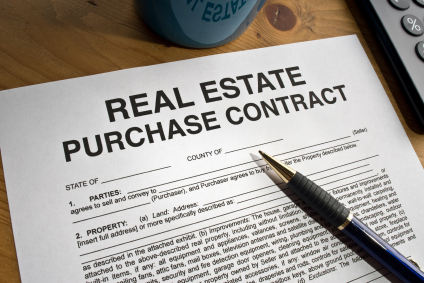
Some home sellers are accepting a buyer’s offer, even having a contract drawn up, only to ask for a higher price a few days later.
The move called “goalpost-shifting” is becoming more common in competitive markets with limited inventories of homes for sale, The New York Times reports. Some sellers keep the bidding on their homes going even after they’ve said they'll accept an offer from a buyer.
The New York Times describes a recent incident where a buyer offered $912,000 for a condo that was originally listed for $800,000, which had attracted more than a dozen offers. The seller accepted the buyer’s offer and a contract was written. However, a few days later the seller notified the buyer that the price had increased to $995,000. The buyer refused to increase his offer, and lost out on the unit. The seller ended up selling to another buyer who offered $1.1 million.
The practice is controversial, but The New York Times quotes brokers who note that buyers are learning a tough lesson: Until signatures are on a contract, a deal isn’t done. Also, they note the buyer is generally given the opportunity to increase their offer. However, other agents say it’s a greedy move on sellers’ part and that once sellers give their word, they should honor it.
“It’s surprising how ugly it’s getting,” says Robert Frankel, a real estate lawyer who frequently handles closings. “If you don’t hear back about a contract in two days, there are usually some shenanigans going on.”
Source: DAILY REAL ESTATE NEWS | MONDAY, JULY 22, 2013
The Real Estate World is moving and shaking, make sure you have an expert to help you during these times. Call Laura today! 310.866.8422
5 Home Inspection Red Flags
Inspection is always a good way to see the bones of your new home! Do not ever skimp on inspection! Laura Key 310.866.8422

A home inspection is a buyer’s opportunity to see if any problems lurk that may prove expensive to fix later. Home inspections nearly always uncover something in a home to watch for or minor repairs needed. But what repairs should buyers especially be alarmed about that could possibly send them back to the negotiation table? Tom Kraeutler of The Money Pit, a nationally syndicated radio show on home improvement, points out some of the following home inspection red flags:
- Termites and pests: The sooner termites are detected, and steps can be taken to get rid of them, the better.
- Drainage issues: A home that has poor drainage can have wood rot and wet basements and crawlspaces, which can then lead to major mold growth.
- Mold: Pervasive mold growth may indicate an issue with improper ventilation issues and can also cause health issues to those living in the home.
- Faulty foundations: A cracked or crumbling foundation could be a very expensive repair.
- Wiring issues: Outdated wiring or overloaded circuits can pose a fire hazard.
Source: DAILY REAL ESTATE NEWS | MONDAY, JULY 22, 2013
Call me today! Let's get you started on making your home dreams come true! Laura Key 310.866.8422
Need Real Estate Help?
To all my friends and family. I got a phone call from someone who wanted to know if I could help list their home even though I am in California and they were in KY. The answer is YES!!!! I actually have partners in many states that work with me to help take care of my loved ones. So if you are thinking of buyer, selling or just have questions, do not hesitate to call me because I can take care of YOU!
Laura Key 310.866.8422 Laura.A.Key@gmail.comHigher Home Prices Cool Buying Frenzy
Is all this frenzy creating a mini-housing bubble? What are your thoughts on this housing market? Laura Key 310.866.8422

The recent rise in home prices has more investors concerned that it will be increasingly difficult to turn a profit from their rental investments. Nearly half of U.S. real estate investors say they expect to purchase fewer rental homes in the next year, according to a recent survey conducted by polling firm ORC International.
Just 10 months ago, the percentage of investors who said they intend to buy fewer homes stood at 30 percent—compared to 48 percent today. Only about 20 percent of the investors surveyed say they plan to buy more homes in the next year—a drop from the 39 percent who reported they intend to buy more homes last August.
More than half of the investors surveyed who own rental properties say they plan to hold them for at least five years or more, and 33 percent plan to hold them for 10 years or more.
“Higher prices are reducing returns on investment and investors are responding by cutting back on their purchasing plans until conditions sort out,” says Chris Clothier, a partner in MemphisInvest.com and Premier Property Management Group. “Fewer foreclosures, rising property values, and competition from hedge funds are making it tough to find good ideals on distressed sales. On the other hand, investors are planning to hold onto their rental properties for at least eight to 10 years and realize the benefits of rising rents and low vacancy rates. Cash flow is much more important than appreciation.”
Source: ORC International
Laura Key, CBS News, Buyer's Agent, Selling Agent,
Thinking of Selling? I have buyers who are pre-approved and ready! They are looking in several areas of Los Angeles county!

New House - New Yard - Got Plans?
What would you do with your new yard? Call me and let's get you started! Laura Key 310.866.8422

Do It Yourself Simple Repairs
You can save money with these simple fixes!
Treatment for a scratched wood floor. For minor scratches, crayons will do the trick. Pick a color that matches the flooring, and color in the scratched area. Be sure to stay in the lines; then buff to a shine. A matching permanent marker can camouflage deeper, ugly scratches. Another method: Grind the meat of a walnut or pecan into the scratch. The nut oil will provide a shine that blends with a polyurethane or water-based surface finish.
Pennywise way to unclog a drain. For a balky drain, try dropping three Alka-Seltzer tablets down the sink followed by a cup of white vinegar. After about 15 minutes, you can clear the drain with boiling water. Do not attempt this trick immediately after using a commercial drain opener like Drano or Liquid-Plumr.
You’ve stripped a screw. Now what do you do? Using a hacksaw, cut into the top of the screw to create a new groove for the screwdriver.
Clean up your walls . . . with toothpaste. Patch small holes using a putty knife or butter knife to smooth non-gel toothpaste into the hole. Sand the spot to smooth the surface. To erase crayon marks from walls, grab toothpaste (again, non-gel) and a scrub brush; then, just wipe until the marks are gone.
Curious to know how much your home is worth? Call me for a FREE Comparative Market Analysis! Laura Key 310.866.8422
Condominiums – Should You Consider Purchasing One
Condominiums tend fall into the love them or hate them position for buyers

Condominiums are all about communal living, which can be good or bad depending upon your personal views. This type of communal living doesn’t refer to the failed experiments of the sixties wherein hippies packed into a structure and shared everything. Instead, the modern condominium community is all about sharing common spaces as well as rules, rules and more rules.
Condominiums come in all shapes and forms. Condos can be found in a single high rise building in a downtown area or in an apartment complex type of layout in a planned community. The structure isn’t the determining point. Instead, the issue is how the properties are owned.
Unlike a stand alone home, the property lines on a condominium are the walls of the structure. Essentially, you own everything inside the condominium as your individual property. Everything outside the condominium is owned jointly with the people who own the other units. These areas are known as common areas and are subject to group rule.
Every condominium has a homeowners association in one form or another. The association has rules set out by the original developer regarding landscaping and so on. Members of the community are then elected to the board of the association, whereupon the immediately become a focal point of aggravation from individual owners and often wonder why they took the thankless job.
The problem with the association and condos in general is the issue of uniformity. If you desire to change the exterior of your condominium in some way, you must comply with the rules of the association. This means you cannot paint your property a different color, do landscaping and so on. For some people, this isn’t a problem, but others are frustrated they can’t express themselves.
When deciding whether a condominium is a good option for your next purchase, you need to carefully weigh the restrictions of a particular association. If you consider yourself an individual and want to show it, a condominium is probably a very poor choice for you.

Clean Home, Easy Sale
One of the biggest problems people run into when selling their home is the process of preparing it for sale. The best way to begin this process is to take a quick walk through your home then call me for an appointment! Laura Key 310.866.8422

One of the biggest problems people run into when selling their home is the process of preparing it for sale. Many homes are simply places where we keep the accumulated treasures of the years. Are you a clutter-bug, a pack-rat? It's OK, we all are to some degree. When preparing a home for sale, we need to be mindful of our "stuff." The best way to begin this process is to take a quick walk through your home. Make a list of everything that you have not used in the past 3 months, 6 months? Now, and here is the hard part. Get rid of it. Seem a bit extreme? It might, but things that you have not used in half a year are not likely to get used in the future. Remember we are trying to get rid of some stuff so that people can see the house, not what's in it.
There is a common line of thought that home buyers want to see the "personality" of the homes current owners. This is not true. Buyers want to be able to see their belongings in the home. They want to put their personality into it to see if they could see themselves living there. A backlog of your stuff will get in the way of them doing this. Go through every room in turn and remove the clutter! This includes the closets, shelves and cupboards. Also remove excess furniture if the room seems too crowded. Here is another important thing to remember, don't put all this stuff in the garage! Buyers will go through the garage like any other room in your home. Hire a storage locker if it is really necessary. Aside from that, use this as an opportunity to rid yourself of those things that you never use.
The minimalist approach is a good thing to utilize when showing your home. The lack of personal effects will make it easier for buyers to place themselves in your home. This will also make the moving process easier on you. With less things to pack when moving day comes, you can dedicate more time to creating your perfect space in your new home.
Laura Key, BRE 01908085 310.866.8422 Laura.A.Key@gmail.com www.KeyCaliforniaHomes.com
Budget for Closing Costs – Home Inspection and Title Fees
Buying a home means you also have to budget for additional expenses! Make sure you put some money aside for the extras.
Purchasing a home is a euphoric event. Once escrow begins, the euphoria can change to frustration, particularly if you are not ready for the closing costs that quickly accumulate.
Closing costs simply refer to the fees associated with various things associated with the escrow process in a real estate transaction. In the excitement of having an offer accepted for your dream home, you can easily lose track of the fact you are going to need to have some serious cash on hand to pay them. Many people make the mistake of only assuming they need the down payment money, and have to rush around town trying to come up with money for the closing fees.
If you are buying a home, you need to get a professional home inspection. Doing so can reveal potential problems with the home that you wouldn’t otherwise notice. Problems can include things such as rot, termites, water leaks and a bevy of other issues. The time to do this is during escrow. Of course, that means you are also going to have to pay for the inspection. Depending on the size of the property, home inspections can run a few hundred dollars up to a few thousand. Make sure you have money set aside for the fees.
Title insurance is something you absolutely must purchase when you buy any real property, a home, building, land or whatever. Title insurance protects both you and your lender. Title insurance is just what it sounds like. A title company will research the title of the home and essentially guarantee that the title is good. This means the seller actually owns the title and has the right to sell it to you. The title company will also make sure there aren’t any liens on the homes or other things that will cause you problems. Depending on the price of the home, title insurance can run you a couple of hundred dollars or up into the thousands. Again, it is important to find out the cost and budget for it.
Title insurance and a home inspection are two things you should absolutely have when purchasing a home. Just make sure you budget for them.
Laura Key, BRE 01908085 310.866.8422 Laura.A.Key@gmail.com www.KeyCaliforniaHomes.comA Bit About Mold
There are a number of little things to look out for when purchasing a new home. Normally the things to consider includes such things as location, wiring, the condition of the house itself, and several other factors. One of these factors that the home buying public is becoming more concerned with is mold.
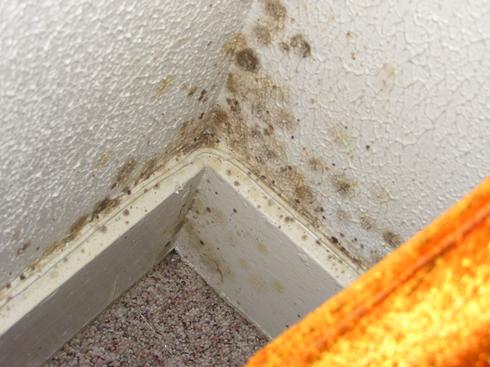 There are a number of little things to look out for when purchasing a new home. Normally the things to consider includes such things as location, wiring, the condition of the house itself, and several other factors. One of these factors that the home buying public is becoming more concerned with is mold. There are many different types of mold that can occur in a home and lead not only to structural damage, but some health concerns as well. Mold is difficult to find in many homes as it grows exclusively in dark and moist areas that are usually hidden somewhere in the structural areas of the home such as attics and basements. By the time mold shows up in the actual living areas, chances are that it is all through the home.
One of the most likely places for mold to form is anywhere that moisture is improperly vented. Another area of concern is if a home has ever flooded and was not completely or properly cleaned and dried after. Leaky plumbing and basement crawlspaces are other likely candidates. Mold can be a difficult thing to completely get rid of as the only thing it needs to continue growth is an organic material such as wood, and moisture. Both of these items are usually abundant in any home. The most likely was that moisture finds its way into the home is through faulty or leaky roofs and foundations. Both of these areas should be checked over by an experienced mold inspector on a fairly regular basis if there is any worry of mold beginning to grow, or if these has been mold in the past. Mold can be an expensive problem to deal with so be pro-active about looking for it, it can save you money in the long run.
Search for Homes Free! Click below!
Bank Faces Lawsuit Over Excessive Fees
Are you facing or someone you know facing foreclosure? There are sources out there to help you! Call me for a list of free resources! Laura Key 310.866.8422

JPMorgan Chase faces a lawsuit that alleges the bank imposed overly high or unnecessary fees on delinquent borrowers. The banking giant tried to get the case dismissed, arguing to the courts that the claims were unjust, but a federal judge ruled the lawsuit should proceed.
Borrowers are accusing the bank of “imposing excessive or unnecessary fees to inflate profit, including on services performed by third party vendors, cheating thousands of already-strained borrowers out of millions of dollars,” Reuters reports.
Among the fees in question range from $95 to $125 for “broker’s price opinions.” The plaintiffs, who reside in Tennessee, California, and Oregon, claim that the BPOs cost $30 to produce and that according to Fannie Mae guidelines they should not cost more than $80.
Similar lawsuits over mortgage fees charged to delinquent borrowers are pending against Wells Fargo and Citigroup.
Source: “JPMorgan must face lawsuit challenging mortgage fees,” Reuters (June 14, 2013)
Where Asking Prices Are Rising the Most
California is rising fast, yet it's not at the highest it's ever been. Interested in buying or selling! Let me assist you in reaching your real estate goals! Laura Key 310.866.8422
Median list prices in May edged up 2.10 percent month-over-month, as housing inventories also were on the rise, creating a greater balance between supply and demand, according to realtor.com’s latest Real Estate Health Report.
The nationwide median list price was $199,000 for May, and up 4.79 percent year-over-year.
"We are seeing large regional markets across the country leading the way to national recovery. These regions are acting as a microcosm for what's slowly happening in the larger real estate market," says Steve Berkowitz, chief executive officer of Move. "Overall, we're seeing seller confidence beginning to respond to consumer demand. Nationally, there are more homes going on the market for a shorter amount of time. And this is happening in our hot markets on a much larger scale."
California housing markets are seeing some of the highest median price gains. The following 10 markets have seen the highest year-over-year list price gains:
1. Sacramento, Calif.: up 42.45%
- Median list price: $284,900
2. Oakland, Calif.: up 38.27%
- Median list price: $495,000
3. Detroit, Mich.: up 31.73%
- Median list price: $125,000
4. San Jose, Calif.: up 30.58%
- Median list price: $679,000
5. Los Angeles-Long Beach, Calif.: up 27.80%
- Median list price: $428,000
6. Fresno, Calif.: up 27.48%
- Median list price: $219,900
7. Phoenix-Mesa, Ariz.: up 27.03%
- Median list price: $235,000
8. Stockton-Lodi, Calif.: up 25.63%
- Median list price: $199,750
9. Reno, Nev.: up 24.23%
- Median list price: $235,900
10. Santa Barbara-Santa Maria-Lompoc, Calif.: up 24%
- Median list price: $775,000
Source: realtor.com®
Search for your next home for FREE! Click below!
Laura Key
Realty Goddess
Laura Key on CBS News