
BLOG
Buying a House at Foreclosure Auction is Risky Business
You can buy a home at a significant discount at a foreclosure auction, but you’ll face a host of challenges. Don’t get burned; be solutions-ready.

Start by understanding the foreclosure auction rules for your area. State and local governments set their own rules for such factors as:
- Bidding process
- Amount of deposit
- Where the auction is held
- Whether the home owners can get their properties back after the sale
You can learn about the process in your area by talking to officials at your county tax department or to a REALTOR®.
Although foreclosure auctions follow local rules, there are some universal challenges you’ll face no matter where you shop for foreclosed properties. Here’s how to solve them.
Solutions to 6 common foreclosure auction challenges
1. Challenge: Getting reliable information about foreclosure sales. Many companies charge fees to send you lists of foreclosures that may not be current, or sell expensive foreclosure-buying “systems” that promise to teach you how to make millions in real estate.
Solution: Most foreclosure sales are still announced in local newspapers. And you can get accurate information about buying foreclosures from reliable book publishers:
Foreclosure Investing For Dummies (For Dummies, 2007)
Keys To Buying Foreclosed and Bargain Homes (Barron's Educational Series, 2008)
2. Challenge: You can’t get inside the property before the auction to inspect it forstructural problems and repairs. Many foreclosure auction properties are in bad shape because the owners couldn’t afford the upkeep. And sometimes angry home owners purposely damage the property to punish the foreclosing lender.
Solution: Walk around the home to check its exterior condition. If it’s vacant, look through the windows. Ask the neighbors what they know about the property. If it was a rental, check the inspection records on file with the local government.
You can safely assume there’s something wrong with any house sold at a foreclosure auction, so cover yourself by bidding no more than 70% of the home's market value.
3. Challenge: You need to figure out the market value of the house to prepare your bid. Some foreclosure auction announcements include information about the size of the original mortgage. That’s not how much the house is worth or even what the owners owe now. If the current owners bought at the top of the market, their mortgage may be more than the home is worth in today’s market and they could owe even more if there’s a second mortgage on the house.
Solution: Commission your real estate agent to do a broker’s price opinion (BPO) on the home you want to bid on. The BPO will show you comparable sales, telling you what similar, nearby homes that weren’t foreclosure sales have recently sold for.
Bid well below those comparable sales to leave yourself room to pay for repairs and unexpected problems. Ask the agency that runs the auction how to find winning bid amounts from recent auctions. Use that information to guide your current bid, too. A look at local tax and assessment records will tell you more about previous and current auction properties, like square footage and lot size.
4. Challenge: You don’t know if there are liens on the home. Some auctions don’t give you clean title to the property, meaning liens from the federal government or other entities may not be removed during the foreclosure auction process. You’d have to pay off those liens if you won the property.
Solution: Focus your efforts on two or three homes in desirable locations. To find out about any liens, pay a real estate attorney to run a title search on each property and issue a commitment to insure the title after purchase. Ask how the policy treats liens filed between the time of the search and the time you close.
A less-expensive option: Hire an independent title search professional called an abstracteror an online company. Both search options should be under $200, title insurance costs vary by state.
5. Challenge: You have to pay cash and pay it quickly. Most auctions require bidders to come up with the full purchase price in cash within 30 days.
Solution: Don’t count on getting a mortgage that fast. Look for other sources of cash that make financial sense for you.
- Take out a home equity line of credit or do a cash-out refinance.
- Tap retirement accounts, provided it makes sense for you from a tax perspective.
- Work with other investors to fund a partnership to invest in foreclosed homes.
6. Challenge: You’re in love with a house that you’re aware is headed to foreclosure, but you’re afraid to bid on it at the foreclosure auction because you know nothing about the process.
Solution #1: Contact the owners and offer to purchase the home as a short sale. That’s where the bank agrees to let the owners sell for less than what they owe on the mortgage.
Solution #2: You may be able to buy the house after the foreclosure sale. Foreclosure sales are run by a government agency (often the sheriff), which collects the money from the highest bidder and gives it to the bank to pay off the mortgage.
Banks will often bid at the sale to make sure someone doesn’t pay less than the house is worth (translation: not giving the bank enough money to satisfy the mortgage).
If the bank is the high bidder, it’ll take title to the house and put it up for sale. Then, buying the home is just like buying any other house. You can buy an owner’s title insurance policy so you know the house is free of liens; you can get a home inspection to check for needed repairs; and you’ll have plenty of time to line up your financing.
A real estate agent can alert you the day the bank puts the home on the market, so you can submit your purchase offer.
Since the bank pays the real estate agent’s fees, you likely won’t pay more than you'd have bid at the foreclosure auction to outbid the bank, and you’ll avoid most of the risks and unknowns of buying at the auction.
Ready to purchase your home! Start by taking one of my Free Home Buyer Seminars! Your will learn everything you need to know from Lending to Escrow! Call to schedule today! Laura Key 310.866.8422
Source: houselogic.com - Marcia Jedd, who covers a range of home and real estate issues, dreams of stumbling upon a foreclosure sale where a vacation lake cabin in northern Minnesota is being sold free and clear at a deep discount. Her bylines include many local and national publications, including FrontDoor.com, HGTVPro.com, Kitchen & Bath Ideas, and Professional Builder.
8 Dirty Secrets in Your Home
Steel yourself: We help you expose — and purge — your home’s dirtiest little secrets.

Deep breath ...
1. Cruddy undersides of rugs 2. Disgusting disposal 3. Greasy kitchen vent hood 4. Crumby kitchen crevices 5. Grimy fans and ceilings 6. Grungy toilets 7. Debris-filled crawlspace 8. Linty dryer vents
1. Cruddy undersides of rugs
Look under your area rugs for a nasty surprise -- a sea of grit and dust -- despite regular vacuuming. What to do:
- Move furniture, fold over the rug, and vacuum dirt and dust from its underside. Sweep and mop the floor, too.
- While you’re under the hood, check the rug’s condition. If there’s no staining or discoloration, a good floor cleaning and vacuuming of the rug’s underside is enough.
- If pets, kids, or wine have left their mark, invest in a professional cleaning. A pro will run between $1.50 and $3 per square foot of rug, depending on the type of rug. Delicate natural fibers are usually more costly to clean than synthetics.
2. Disgusting disposal
Your kitchen has more germs than even your bathroom. And your garbage disposal and its splash guard flaps just might be the most disgusting place in the house — slimy, smelly, and befouled with old food. What to do:
- Scrub the underside of the rubber flaps with an old toothbrush and warm, soapy water.
- Pour a 1:1 ratio of white distilled white vinegar and baking soda down the drain. Let it sit overnight and flush with boiling water to sanitize.
- Toss frozen cubes of white vinegar (just freeze it in an ice tray) down the disposal while it’s running. This will sharpen and sanitize the disposal’s grinding blades.
- Freshen up the drain with slices of lemon or other citrus fruit. Peels are OK, but if you have fruit to spare, the citrus acids will help disinfect and freshen.
3. Greasy kitchen vent hood
Your range vent hood works hard to absorb smoke, steam, and grease. Just like you change air filters to extend the life of your HVAC, you should clean the vent filter. Not only will this make the vent more efficient, it’s a safety measure. Should you have a grease fire, a greasy hood and filter can spread the fire into your home’s duct work. What to do:
- Remove the hood filter according to directions for your vent hood model. If you don’t have the paper manual anymore, search online for a copy.
- Soak the filter in a kitchen-grade degreaser.
- Once most of the grease has dissolved, rinse the filter with soapy water.
- While you’re soaking the filter, clean the greasy interior of your vent hood.
- Use a kitchen-grade degreaser for the hood like the one you’re soaking the filter in.
- Wipe the hood's interior with a sponge or rag.
4. Crumby kitchen crevices
No matter how spotless your kitchen surfaces are, crumbs, morsels, and drips of stuff have fallen into the crannies between appliances and countertops, tempting bugs and vermin.What to do:
- For appliances with a bit of ground clearance, like a refrigerator, use the vacuum crevice attachment to suck out the yuck.
- For appliances with less room to maneuver, attach microfiber cloths to a yardstick with rubber bands. Slide and grab under and between appliances.
- Sneak an old-school feather duster between counter cracks or under appliances. Get one with an extra-long handle ($15-$25) or use a flexible duster specifically designed to slide under appliances.
5. Grimy fans and ceilings
Dispatching the out-of-sight, out-of-mind dust (sloughed-off skin cells, dust mites, and outdoor allergans) that lives on ceiling fans and light fixtures means better indoor air quality and fewer allergy problems. What to do:
- Dampen the inside of a pillowcase and slide it over each ceiling fan blade. As you slide it off, run your hands along the sides of the blade to wipe up dirt and dust so the dreck doesn’t rain down on you. Get a spotter if you’re balancing on a ladder or chair.
- For less-dusty ceiling fans, use a microfiber duster that'll grab the blades. ($7-$20)
- For oily or grimy buildup on ceilings, especially in the kitchen or bathroom, run a flat mop tool with a microfiber or soap-cloth attachment along the ceiling. Dish soap will do nicely.
- Remove light shades or covers from ceiling fixtures to wipe out dust and bugs. But turn the light off first.
6. Grungy toilets
You’re not getting down-and-dirty with your toilet until you scrub where the commode meets the bathroom floor. What to do:
- Check that the caulk at the base of the toilet is sealing the area. If it's worn, remove the remaining caulk with a utility knife. Then re-seal it. For extra germ-fighting, choose a caulk with Microban.
- Slide a feather duster behind the tank to brush off any dirt or dust, and use a sponge or damp microfiber cloth to scrub all the way around the porcelain base.
7. Debris-filled crawlspace
No one wants to crawl around under the house — except bugs and rodents. If you suspect critters are playing house, skip the DIY and consult a pro. Otherwise, it’s a good idea to check your crawlspace annually to check for water penetration and clean out debris. What to do:
- Wear personal protective equipment, such as coveralls, a dust-mask, goggles, and gloves.
- If you see mold, don’t disturb it. Call a professional mold remediation company.
- If you don’t see mold, check your vapor barrier for holes, deterioration, or uncovered areas. If you’re handy and comfortable with working in cramped crawlspace conditions, you can fix it yourself with supplies from your local hardware or home store. Otherwise, call a handyman. If the problem seems more extensive (major holes or large uncovered areas), call a foundation specialist.
- Make sure there’s no standing water on top of the vapor barrier. That could mean water is coming from leaking pipes or gutters. It’s a recipe for mold and rot. Call a pro who specializes in foundation or crawlspace work pronto.
- Push out trash through the nearest vent or access door. When you go outside to collect the debris, secure vents and doors so nothing else will blow, crawl, or slither in.
8. Linty dryer vents
This is one of the most important dirty jobs, because cleaning your clothes dryer’s lint trap and vents will extend its life, improve its efficiency, and save your life. Clothes dryers cause more than 15,000 structural fires, injuring 400 and killing 15 people on average each year. "Failure to clean" is the leading contributing factor to these fires.
What to do:
- Use a dryer vent cleaner (about $15), a long, flexible, thick metal cord that snakes through the dryer vent’s dark corridors, to sweep out lint and dust.
- Use your vacuum’s crevice tool to suck out hangers on in the lint trap.
- Vacuum underneath and around the back of the dryer to clear out any remaining lint colonies.
The real estate market has changed? What does this mean to you as a buyer or seller? Call me today with your questions! Laura Key 310.866.8422
1.7 Million Home Owners Regain Equity in 2012
Remember when you asked me if the market has hit bottom yet? Yes Sir - Yes Ma'am we have and now it's bouncing back up! Hurry and get your property before it's too late! Laura Key 310.866.8422

Rising home prices have helped more home owners make their way above water again, with 1.7 million residential properties regaining equity in 2012, according to the latest figures from CoreLogic. The number of mortgaged home owners with equity now stands at 38.1 million.
More home owners are expected to soon join them: About 1.8 million homes will regain equity if home prices rise by another 5 percent—which most economists have forecast for this year.
“In the fourth quarter we again saw an improvement in the equity position of households,” says Mark Fleming, chief economist for CoreLogic. “Housing market improvements, particularly in the hardest hit states, are the catalyst for households to regain equity and become participants in 2013’s housing market.”
While the numbers are improving, many home owners are still underwater: About 21.5 percent—or 10.4 million—of all residential properties with a mortgage still retained negative equity at the end of the fourth quarter of 2012. That number is down 22 percent, year-over-year.
Nevada has the highest percentage of homes with negative equity (at 52.4%), followed by Florida (40.2%), Arizona (34.9%), Georgia (33.8%), and Michigan (31.9%). These five states alone account for 32.7 percent of the total amount of negative home equity in the U.S., according to CoreLogic.
Some additional findings from CoreLogic’s latest report:
- The majority of homes that have equity tend to be on the higher end of the real estate market. Eighty-six percent of homes valued at more than $200,000 have equity, compared to 72 percent of home less than $200,000.
- About 3.9 million home owners with negative equity have both first and second liens. Their average mortgage balance is $296,000 and their average underwater amount is $80,000.
Source: CoreLogic
Real Estate Predictions: Multifamily will drive nationwide growth
So happy to see the market changing! If you were on the fence about buying before...make sure you fall on the side where the grass is greener! Time to buy!
How to Assess the Real Cost of a Fixer-Upper House
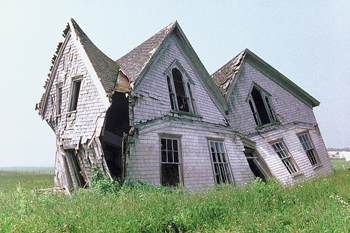
When you buy a fixer-upper house, you can save a ton of money, or get yourself in a financial fix. People see shows on television and think it's easy to purchase a home that needs fixing. Know what you are getting into before you put the money down on the table! Call me with your questions Laura Key 310.866.8422
1. Decide what you can do yourself
TV remodeling shows make home improvement work look like a snap. In the real world, attempting a difficult remodeling job that you don’t know how to do will take longer than you think and can lead to less-than-professional results that won’t increase the value of your fixer-upper house.
- Do you really have the skills to do it? Some tasks, like stripping wallpaper and painting, are relatively easy. Others, like electrical work, can be dangerous when done by amateurs.
- Do you really have the time and desire to do it? Can you take time off work to renovate your fixer-upper house? If not, will you be stressed out by living in a work zone for months while you complete projects on the weekends?
2. Price the cost of repairs and remodeling before you make an offer
- Get your contractor into the house to do a walk-through, so he can give you a written cost estimate on the tasks he’s going to do.
- If you’re doing the work yourself, price the supplies.
- Either way, tack on 10% to 20% to cover unforeseen problems that often arise with a fixer-upper house.
3. Check permit costs
- Ask local officials if the work you’re going to do requires a permit and how much that permit costs. Doing work without a permit may save money, but it'll cause problems when you resell your home.
- Decide if you want to get the permits yourself or have the contractor arrange for them. Getting permits can be time-consuming and frustrating. Inspectors may force you to do additional work, or change the way you want to do a project, before they give you the permit.
- Factor the time and aggravation of permits into your plans.
4. Doublecheck pricing on structural work
If your fixer-upper home needs major structural work, hire a structural engineer for $500 to $700 to inspect the home before you put in an offer so you can be confident you’ve uncovered and conservatively budgeted for the full extent of the problems.
Get written estimates for repairs before you commit to buying a home with structural issues.
Don't purchase a home that needs major structural work unless:
- You’re getting it at a steep discount
- You’re sure you’ve uncovered the extent of the problem
- You know the problem can be fixed
- You have a binding written estimate for the repairs
5. Check the cost of financing
Be sure you have enough money for a downpayment, closing costs, and repairs without draining your savings.
If you’re planning to fund the repairs with a home equity or home improvement loan:
- Get yourself pre-approved for both loans before you make an offer.
- Make the deal contingent on getting both the purchase money loan and the renovation money loan, so you’re not forced to close the sale when you have no loan to fix the house.
- Consider the Federal Housing Administration’s Section 203(k) program, which is designed to help home owners who are purchasing or refinancing a home that needs rehabilitation. The program wraps the purchase/refinance and rehabilitation costs into a single mortgage. To qualify for the loan, the total value of the property must fall within the FHA mortgage limit for your area, as with other FHA loans. A streamlined 203(k) program provides an additional amount for rehabilitation, up to $35,000, on top of an existing mortgage. It’s a simpler process than obtaining the standard 203(k).
6. Calculate your fair purchase offer
Take the fair market value of the property (what it would be worth if it were in good condition and remodeled to current tastes) and subtract the upgrade and repair costs.
For example: Your target fixer-upper house has a 1960s kitchen, metallic wallpaper, shag carpet, and high levels of radon in the basement.
Your comparison house, in the same subdivision, sold last month for $200,000. That house had a newer kitchen, no wallpaper, was recently recarpeted, and has a radon mitigation system in its basement.
The cost to remodel the kitchen, remove the wallpaper, carpet the house, and put in a radon mitigation system is $40,000. Your bid for the house should be $160,000.
Ask your real estate agent if it’s a good idea to share your cost estimates with the sellers, to prove your offer is fair.
7. Include inspection contingencies in your offer
Don’t rely on your friends or your contractor to eyeball your fixer-upper house. Hire pros to do common inspections like:
- Home inspection. This is key in a fixer-upper assessment. The home inspector will uncover hidden issues in need of replacement or repair. You may know you want to replace those 1970s kitchen cabinets, but the home inspector has a meter that will detect the water leak behind them.
- Radon, mold, lead-based paint
- Septic and well
- Pest
Most home inspection contingencies let you go back to the sellers and ask them to do the repairs, or give you cash at closing to pay for the repairs. The seller can also opt to simply back out of the deal, as can you, if the inspection turns up something you don’t want to deal with.
If that happens, this isn’t the right fixer-upper house for you. Go back to the top of this list and start again.
Source: www.houselogic.com - G.M. Filisko is an attorney and award-winning writer whose parents bought and renovated a fixer-upper when she was a teen. A regular contributor to many national publications including Bankrate.com, REALTOR® Magazine, and the American Bar Association Journal, she specializes in real estate, business, personal finance, and legal topics.
Cleaning House: Secrets of a Truly Deep Clean
Spring Cleaning Tips to help keep your home in tip-top shape! These little tips also help when you are selling a home! Buyers want to see a clean home that they can imagine living in! Call me today for your free home evaluation! Laura Key 310.866.8422

Deep clean your house and you’ll brighten rooms and help maintain your home’s value.
De-bug the light fixtures
See that bug burial ground within your overhead fixtures? Turn off the lights and carefully remove fixture covers, dump out flies and wash with hot soapy water. While you’re up there, dust bulbs. Dry everything thoroughly before replacing the cover.
Vacuum heat vents and registers
Dirt and dust build up in heat vents and along register blades. Vents also are great receptacles for coins and missing buttons. Unscrew vent covers from walls or pluck them from floors, remove foreign objects, and vacuum inside the vent. Clean grates with a damp cloth and screw back tightly.
Polish hardware
To deep clean brass door hinges, handles, and cabinet knobs, thoroughly wipe with a damp microfiber cloth, then polish with Wright’s or Weiman brass cleaner ($4). Dish soap shines up glass or stainless steel knobs. Use a Q-tip to detail the ornamental filigree on knobs and handles.
Replace grungy switch plates
Any amateur can wipe a few fingerprints off cover plates that hide light switches, electric outlets, phone jacks, and cable outlets. But only deep cleaners happily remove plates to vacuum and swipe the gunk behind. (OK, we’re a little OCD when it comes to dirt!) Make sure cover plates are straight when you replace them. And pitch plates that are beyond the help of even deep cleaning. New ones cost less than $2 each.
Neaten weather stripping
Peeling, drooping weather stripping on doors and windows makes rooms look old. If the strip still has some life, nail or glue it back. If it’s hopeless, cut out and replace sections, or just pull the whole thing off and start new. A 10-ft. roll of foam weather stripping costs $8; 16-ft. vinyl costs about $15.
Replace stove drip pans
Some drip pans are beyond the scrub brush. Replacing them costs about $3 each and instantly freshens your stove.
Source: Houselogic.com By Jane Hoback Published Jan 14, 2011
4 Reasons Your Listing Might Not Be Selling
Real Estate could be one of your major investments! Make sure you get the most value on return. Interested in seeing how much your home is worth? Call me for a FREE Comparative Market Analysis. Laura Key 310.866-8422
Do you have a home lingering on the market? MSN Real Estate recently polled real estate professionals to find some of the most common reasons why some properties won’t sell, besides trying to overcome a poor location.
Here are four common reasons listings don’t sell in a timely manner, according to the MSN survey:
- Unreasonable price: “It’s always price for condition or price for location,” says Kathy Opperman, a broker-owner with Century 21 Alliance in Philadelphia. “That’s one of the main reasons [homes] sit.” Some sellers are just unrealistic about what their house can truly fetch, or they may be underwater and just unable to lower their price tag. “In my market, the only reason a property would stay on the market for longer than three months would be that the price is too high,” Ron Redfern, a real estate professional from Greeley, Colo., told MSN Real Estate. “Price will overcome any objection.”
- Bad decor: Loud patterns, bold colors, and dated decor styles can distract home buyers. For example, agents say that mirrored walls, cheap wood paneling, and 1970s kitchens can be turn-offs. To try to appeal to the widest buying pool, agents advise clients to stay neutral with their design, give buyers a “minimalist canvas” for them to project their own tastes on.
- Awkward floor plan or missing necessities: Strange or dated floorplans may also make a home linger, such as older homes where you have to walk through a bedroom to get to a second bedroom, MSN Real Estate notes. One home in Catskill, N.Y., has lingered on the market for more than four years because it’s missing a driveway.
- Awful photos: If your listing has yet to sell, you may want to revisit the photos you're using to present it on the MLS. For example, one Chicago listing showed dirty clothes and clutter in the photo, which may prompt buyers to question the hygiene of the rest of the home, as well as assume it has a lack of storage. Be choosy about the photos you upload to the MLS, and remember that less can be more, Opperman says. Have photos showcase the best rooms and features of the home. "If a buyer isn't excited about a home after seeing it online, they won't want to see it in person," Opperman says.
Source: “Listing Losers: 8 Reasons Your Home Isn’t Selling and What to do About It,” MSN Real Estate (March 13, 2013)
Fast California Real Estate Stats
The market has changed! What does this mean to you as a buyer or a seller? Ask me! Laura.A.Key@gmail.com or 310.866.8422
- Calif. median home price: January 2013: $337,040 (Source: C.A.R.)
- Calif. highest median home price by region/county January 2013: Marin, $799,110 (Source: C.A.R.)
- Calif. lowest median home price by region/county January 2013: Madera, $98,330 (Source: C.A.R.)
- Calif. Pending Home Sales Index: December 2012: 82.3 , down 20.5 percent from November's 103.5.
- Calif. Traditional Housing Affordability Index: Fourth quarter 2012: 48 percent (Source: C.A.R.)
- Mortgage rates: Week ending 3/7/2013 30-yr. fixed: 3.52% fees/points: 0.7% 15-yr. fixed: 2.76% fees/points: 0.7% 1-yr. adjustable: 2.63% Fees/points: 0.3% (Source: Freddie Mac)

Keep Your Home California Debuts New Interactive Website
See if this new program can help you save your home. Call me with questions and other possible options!
- Unemployment Mortgage Assistance Program: Homeowners can receive as much as $3,000 per month in mortgage assistance for up to nine months. Homeowners must be currently receiving or approved to receive jobless benefits from the state Employment Development Department.
- Mortgage Reinstatement Assistance Program: Homeowners can receive as much as $25,000 in assistance to help them “catch up” on their past-due mortgage payments. Homeowners must have suffered a financial hardship and be able to make their mortgage payments going forward.
- Principal Reduction Program: Homeowners can get as much as $100,000 in principal reduction. To qualify, the homeowner must have suffered a financial hardship and be able to make their mortgage payments in the future. Also, the current market value of the home must be less than what is owed on the mortgage, that is, “underwater.”
- Transition Assistance Program: Homeowners can collect up to $5,000 to cover relocation costs as part of a servicer-approved short sale or deed-in-lieu of foreclosure of their home.
After Central Air, Buyers Want Walk-In Closets
I have to agree with this article. What is more important to you for your new home? Laura.A.Key@gmail.com

Recent home buyers who want a walk-in closet but didn’t get one in their home say they’re willing to spend $1,350 for one. That’s just one of the important findings in the 2013 Profile of Buyers’ Home Feature Preferences, released today by the National Association of REALTORS®.
Buyers who wanted new kitchen appliances but didn’t get them say they’re willing to spend $1,840 for them. Those who wanted air conditioning are willing to spend $2,520.
The report looks at 33 home feature preferences based on what a representative sample of U.S. households that bought between 2010 and 2012 say they value. Just over 2,000 households participated.
Among the findings: Households in the South tend to want the biggest and newest homes, and they like wooded lots. Those in the Northeast are most likely to like hardwood floors. First-time buyers and single women are big buyers of older homes. Households with children and move-up buyers like larger homes.
The report also contains these tidbits on buyer preferences:
· Among buyers 55 and older, 42 percent want a single-level home, compared to just 11 percent of buyers under age 35. Single women also tend to place importance on single-level homes.
· Single men want finished basements.
· Single men and married couples place importance on new kitchen appliances.
· Among all 33 home features in the survey, central air conditioning is the most important to the most buyers; 65 percent consider this very important.
· The next most important feature is a walk-in closet in the master bedroom; 39 percent considered this very important.
· Also important — buying a home that’s cable-, satellite TV-, or Internet-ready.
· Thirty-two percent of buyers say they’re willing to pay a median of $5,420 more for a residence that also has waterfront property, and 40 percent say they’re willing to pay a median of $5,020 more for a home that’s less than five years old.
— Robert Freedman, REALTOR® Magazine
Ready to find your dream home! Search for free! No signup, no hassle, just a good solid resource. Let me earn your business! www.KeyCaliforniaHomes.com
Adding Instant Value to Your Home
Want to add value to your home immediately? This simple solution will help! Ready to sell? Contact me to obtain a FREE value report on your home! Laura.A.Key@gmail.com
Do you know what the best way to add value you to your home is? The answer might surprise you because it’s also the cheapest – cleaning/decluttering. It’s true. For the cost of a bottle of household cleaner and some elbow grease you can give the value of your home an immediate boost. In fact, clean, clutter free homes are more likely to get or even exceed their asking price. It’s amazing how shiny windows, and dust free doors, windows, and baseboards can impress potential buyers , sure cleaning and getting rid of the clutter might not be a lot of fun, but sending the extra money you get for your house will be!
More Struggling Home Owners Opt for Short Sales
You DO NOT have to lose your home to foreclosure! Contact me to discuss your options! Laura.A.Key@gmail.com
Short sales surged in 2012 to a level that was nearly triple the amount of foreclosures, according to recent data from RealtyTrac.
Foreclosure sales made up 11 percent of all transactions last year while short sales made up 32 percent, RealtyTrac reports.
"We're seeing fewer of the most disruptive sales, the [bank-owned foreclosures], hitting the market but there are still a lot of distressed property sales," says Daren Blomquist, spokesman for RealtyTrac. "They're shifting to short sales."
The increase in short sales is helping to give a boost to distressed home prices too. In the fourth quarter, foreclosure or bank-owned homes sold for an average of $171,704, a 4 percent rise from a year earlier, RealtyTrac reports.
Source: “Struggling Home Owners Turned to Short Sales in 2012,” CNNMoney (Feb. 28, 2012)
You DO NOT have to lose your home to foreclosure! Contact me to discuss your options! Laura.A.Key@gmail.com
More Wrongful Foreclosures Against Military Members?
We must protect those who protect our country! There is no excuse for this!
More than 700 wrongful foreclosures involving active-duty service members — a violation of federal law — by some of the nation’s largest banks were uncovered in a report this week. The findings are higher than original estimates, The New York Times reports.
The Service Members Civil Relief Act forbids foreclosures on active-duty military personnel without court orders. Banks uncovered the wrongful foreclosures when analyzing mortgages as part of a settlement with federal regulators.
In 2011, reports began to surface that active military personnel members were losing their homes while deployed, which sparked Congressional hearings to further investigate. Several banks discovered violations and settled claims of wrongdoing. For example, JPMorgan in 2011 settled claims that it wrongfully foreclosed on 18 military personnel and overcharged 6,000 military members. Bank of America and Morgan Stanley also settled claims that between 2006 and 2009 they had foreclosed on 178 military members.
But this latest report shows that violations were much more extensive than originally believed once the large lenders further investigated the loans on their books. Some of the largest servicers discovered about 200 military members whose homes were wrongfully foreclosed upon in 2009 and 2010.
The banks have been taking extra steps to ensure military personnel face greater protection in the future. For example, JPMorgan says it has started a “very generous program for military, including awarding homes, forgiving principal, and hiring more than 5,000 veterans,” says Kristin Lemkau, a spokeswoman for the bank. “We have remediated these errors and plan to appropriately compensate anyone whom we made a mistake with.”
Source: “Banks Find More Wrongful Foreclosures Among Military Members,” The New York Times (March 3, 2013)
Questions about foreclosure against you? Contact me today to discuss your options! Laura.A.Key@gmail.com

HUD Launches First Fair Housing App
Everyone has the right to safe and fair housing! Buying or Renting it is a must in the Real Estate Industry! If you feel you have been unfairly treated make sure you take the proper action!
The U.S. Dept. of Housing and Urban Development (HUD) recently launched the first housing discrimination mobile application (app) for iPhone and iPad. Developed by HUD’s Office of Fair Housing and Equal Opportunity (FHEO) and Hewlett Packard (HP), the app uses the latest technology to provide consumers with a quick and easy way to learn about their housing rights and to file housing discrimination complaints, and inform the housing industry about its responsibilities under the Fair Housing Act.
In addition to facilitating real-time delivery of housing discrimination complaints to HUD, the app can be used by individuals researching their housing rights after a natural disaster, when power outages make the iPhone/iPad one of the few ways to access the Internet. The app also provides information about the fair housing complaint process, and allows the public to access HUD’s toll-free discrimination hotline and link to HUD’s fair housing website: www.hud.gov/fairhousing.
Follow me on FB for important and fun facts about Real Estate! www.Facebook.com/RealtyGoddess
Another Big Leap for Home Prices
Another home price index is showing home prices surging: CoreLogic’s home price index shows that home prices nationwide in January rose 9.7 percent year-over-year, posting their largest percentage increase since April 2006.
It was the 11th consecutive month of month-over-month increases in existing-home sales, according to CoreLogic’s index.
"Home prices continued to gather steam across a broad swath of the country in January, continuing the positive trend we saw during most of 2012," says Anand Nallathambi, president and CEO of CoreLogic. "Many states across the western U.S. and along the East Coast saw average price gains of more than 6 percent, which is likely to boost home sale activity into the first half of 2013.”
The states seeing the biggest year-over-year rises in home prices in January were Arizona (20.1%), Nevada (17.4%), Idaho (14.9%), and California (14.1%), according to CoreLogic’s index. The only states not seeing year-over-year price increases were Delaware (-0.1%) and Illinois (-0.4%).

The Life of Our Home
What a wonderful adventure! Building your own home may be the option for you! Contact me with any questions you may have! 310.866.8422
How to De-Crapify Your Home
While it's no epidemic, it's hard to argue that most of us have a little "too much stuff". Whether you've got a little or a lot more clutter than you'd like in your home, here's a start-to-finish look at how to streamline your Spring cleaning.
Getting rid of your stuff can be difficult. Things have value to you, whether you've formed a personal attachment to your stuff or you believe you'll have a practical use for it... someday. Most of the time, "personal value" means guilt and "someday" never comes.
We're not talking about going ultra-minimalist here, but rather making a concentrated effort to only keep the things in your life that you use and actually matter to you. To do this, we're first going to take a look at identifying the crap in your home, then how to get rid of it so you're not always just throwing it away, and finally discuss some methods for actually maintaining your crap-free lifestyle. Let's get to it.
Identify the Crap
Some crap is easy to identify, like a corporate t-shirt that's several sizes too big and you forgot about its existence, or that birthday card from 1994 that you're afraid your grandmother will ask about next time she visits. If you still have any of this kind of stuff, stop reading this post and go out into the yard and burn it. (Don't actually do this—it's illegal.) Now that you've gotten rid of your easily identifiable crap, we can start working on the rest—deciding what can stay and what can go.
Step 1: Sort It Out
With each category, sort every item into one of three piles: the stuff you're going to keep, the stuff you're going to get rid of, and the stuff you're not sure about. Be ruthless: When's the last time you used that bulky electric juicer? What are the chances you're going to start using it in the future? Is it really worth keeping around?
When you're done sorting, go through the pile of items you're not sure about and try to get rid of about half of it. One simple decision-making factor: find similar items and pick the one you like the best, get rid of the rest.
Now that you've made a mess of your home by tossing your stuff into piles on the floor, it's time to put it all back again. First put the stuff you're getting rid of in a cardboard box, trash bag, or whatever you prefer so long as it's clearly moving on to its next life. Next, put all the stuff you're keeping back where it belongs and admire all the new, empty space you've created. Last, grab all the things you're not sure about and put them somewhere separate. If you're hanging clothes, hang these items in another area of a closet or place them in a separate drawer. Do not keep them with the stuff you're sure you want to keep. Keep track of whether or not you use any of them over the next 30 days. If you do, you can put it back with the stuff you want to keep. If you don't, you're getting rid of it when the 30 days are up.
Step 2: Repeat Step One
No, not right away. You've just had to part with a bunch of things you think you care about, so you're clearly not in the emotional state to handle another tumultuous breakup with your possessions. Wait 30 days and repeat the process. After a month, when time has healed your wounds, you'll find it much easier to let go of even more things you don't need. You might even like it. It's nice having more space in your home, and once you realize 1) that you like it and 2) you don't miss anything you tossed, you'll have a much easier time getting rid of more things you don't need.
Step 3: Remove the One-Offs
By the time you've made it to this final step, you've probably gotten rid of most of your unnecessary crap. What's left are the things you don't have too much of but still find taking up unnecessary space in your home. Do you have an electric guitar you never play because you said you'd take lessons four years ago but never got around to it? Identify anything like that guitar and mark it for deletion. In the next section, we're going to look at the best options you have for actually getting rid of all the stuff you identified in these three steps.
Get Rid of the Crap
When you're getting rid of your things, you have a couple of options. Obviously you can throw things away, but if you have anything in good condition you can also sell it or donate it. Some specific items may also find a new life in the digital world, or you may have friends who want some of your things. In this section we're going to take a look at the best ways to finally let go.
Donate to the Needy (or Not-So-Needy)
If you just hate doing good and helping other people is too selfless, you can always win favor with your friends by giving them your potentially useful-to-them crap. Every friend wants to get a call asking them if they want an old pair of gym shorts or your extra copy of Serial Mom on DVD. Sometimes you will have some things your friends can benefit from, so don't hesitate to set them aside to ask. If they don't want them, you can always just suck it up, be a good person, and donate to someone in need who has yet to experience Serial Mom while wearing your old gym shorts.
Sell, Sell, Sell
If you're going to sell your stuff, the most obvious option is to use Craigslist and/or eBay. You'll want to use Craigslist for things like furniture or larger items you won't want to ship. You may also prefer to sell your gadgets and other technology there as well, especially if you don't have the box. eBay is always an option, but it's not as good of market as it once was for this kind of sell-off.
In addition to the obvious, you have Amazon and Gazelle for certain items in your inventory. First, Amazon will buy your old electronics for money to spend at Amazon. Additionally, a service called Fulfilled by Amazon can make the process of selling through the retail giant much less work. Fulfilled by Amazon is a service that lets you drop ship your stuff to Amazon, who then lists it on their product pages, ships out the items for you just like the item was purchased from them directly, and deposits the money from the sale in your checking account (after taking their commission, of course). You still have to add all the items to your inventory yourself, but if you're getting rid of a lot of stuff this is a huge time-saver and doesn't cost much more than if you did all the hard work. While you won't be able to get rid of everything this way, as the sock puppet you made in 2nd grade isn't a currently listed product, you can sell quite a few of your possessions and make a fair amount of pocket change in the process.
If you want to do even less work, and you have a lot of technology to get rid of, Gazelle is a good option. Because their site is geared towards selling your gear, it's very easy to search for what you want to get rid of, specify the condition, and get a quick quote. It's also pretty easy to find a Gazelle coupon that will get you an extra 5%. If you're really lazy, Gazelle will send you a box and pick it up so you can continue your life in solitude with minimal interruption.
Amazon and Gazelle are both great options if you want to save yourself some time, but if you want to put in the effort to make as much money as possible then be sure to read our guide to selling your gadgets for more tips.
Go Digital
A lot of the crap you have in your home can fit on a hard drive if you're willing to put in the effort (or pay someone to put in said effort for you). If you have old items you want to keep but would be willing to toss if you had a digital version, you should read out guide on digitzing your life. Nothing saves space like getting rid of stacks of photos, old VHS tapes, and other stuff with your worst enemy: sentimental value.
Throw It Away
This is really easy, because you may already have it in a trash bag. Take that bag to the curb, toss it in a nearby dumpster, or just feed it to the monster that lives under you bed. Actually, throwing things away is not always so easy if you want to do it as safely as possible. Your technology, for example, doesn't sit so well when buried in the planet. If it's something you can recycle, take the effort to recycle it. Or don't. Sites like Gazelle will take your dead technology off your hands, and you can find recycling centers at both the EPA and Earth911.
Maintain Your Crap-Free Existence
Congratulations. If you've made it here, your home is crap free. If you just skipped to this section without doing anything, that congratulations is rescinded—but your curiosity is commendable. It's a huge accomplishment to de-crapify your entire home, but all that effort is wasted if you can't maintain a crap-free lifestyle. For that, you need some rules, policies, and tricks to ward off the excess stuff that once plagued your life.
You may have heard that you should toss it if you haven't used it in the last year. This is true, but that's a very reasonable attitude to take with your stuff. If you have a tendency to keep things you don't need, you need policies a bit more strict and timely than that. Live by these instead:
- When you get something new, you have to get rid of something old. It doesn't have to be the same type of item, but it should take up approximately the same amount of space (or more).
- Set an expiration date on anything you notice you haven't used in awhile. So you remember, set a reminder on your calendar or put a post-it note on that item with an expiration date. If you see it again and that date has passed, it's time to let it go.
- Don't buy anything new until you've considered whether or not you need it for 48 hours. (Obvious exceptions include more urgent things like broccoli, hemorrhoid cream, and tickets to the midnight screening of the next big disappointing comic book film.)
- Get organized in ways that help you better use everything you still have. Organize your refrigerator like a supermarket. Organize your kitchen like a programmer. Organize your clothing by color, like in a clothing store, so it's easy to find what you're looking for. You get the idea.
Cleaning can be hard when it means getting rid of things you've come to love over the years, but chances are you'll come to love the extra space even more. Hopefully this guide will help you get your crap under control and out of your home. If you have any great de-crapifying suggestions of your home, be sure to share them in the comments.
Source: lifehacker.com; Article written by: Adam Dachis
Get the most for your home! The cleaner, more organized, less cluttered houses on the market get the buyers! Call me today and let's get started with your plan! Laura Key 310.866.8422
Unique Homes of the World - Windsor England
The Crooked House of Windsor

Background: Construction of this house dates back to 1592, but it didn’t acquire its trademark slant until 1718, when the structure was rebuilt using unseasoned green oak.
Why It’s Unique: Sure it’s slanted, but what really makes the house stand out is that its basement had a secret passage to Windsor Castle, one of the official residences of the UK’s royal family. According to the house’s website, the passage was allegedly used for trysts between King Charles and a mistress, as well as for running supplies to the castle’s kitchen. The passageway has since been sealed off. Through the centuries, the crooked house has been the home to various businesses, including a brewery and jewelry shop. It is now a restaurant.
Ready to sell your unique home so you can start a new project. Give me a call and let's see how much your home is worth. Laura Key 310.866.8422 or visit me on Facebook and Like my page and obtain valuable info about the market. www.Facebook.com/RealtyGoddess
If a Home Gets Hit by a Meteor, Who Pays?

After a meteor struck western Siberia and more meteors threatened the entire globe on Friday, CNNMoney asked the question: Who pays for damage to a home if hit by a space object?
Rest easy, “your insurance covers falling objects," says Robert Hartwig, president of the Insurance Information Institute. In the rare events when meteors have crashed through home owners’ roofs over the years, insurers have paid the damage for those insured, Hartwig says.
“Blue ice” — the frozen sewage that sometimes falls from airplanes — is more common and is also covered if it falls from the sky onto your home, Hartwig told CNNMoney.
A remnant of a meteor struck in the Urals region of western Siberia Friday injuring more than 700 people and damaging nearly 300 buildings. It was referred to as a “once-in-a-century” event.
"The earth is pelted with 40 tons of space debris a year," says Laurie Leshin, a former NASA scientist. "Most of that is in teeny dust particles" and rarely does it injure people or damage property.
Source: “Who Pays for Damage From a Meteor?” CNNMoney (Feb. 15, 2013)
Thinking of selling your home? Call Laura Key today for more info on what the value of your home is worth in this market! The market has changed? How does it effect you? 310.866.8422 or visit www.KeyCaliforniaHomes.com
‘Boomerang Buyers’ Making a Comeback in California
People who went through foreclosures or short sales during the housing crisis have been gradually returning to the Orange County, Calif., market for at least a year, according to real estate industry observers.
Buyers generally must wait at least three years to qualify for a government-backed Federal Housing Administration mortgage, and it can take seven years to get a conventional loan backed by Fannie Mae or Freddie Mac.
Real estate professional Andreea Stucker, who lost a condo due to a bad loan she could not afford, is among the emerging ranks of “boomerang buyers.” She believes that experience has made her a better practitioner.
More than three-fourths of those who lost their homes will try to become homeowners again, says Paul Scheper, division manager for Greenlight Financial in Irvine, Calif. Nationwide, more than 3.4 million households have completed the minimum waiting period.
Source: "Boomerang Buyers Making a Comeback," Orange County (Calif.) Register (Feb. 15, 2013)
Have you had a foreclosure or a short sale in your past? Has enough time passed so you can own again? Call Laura Key at 310.866.8422 to see if you could be eligible for homeownership again! www.KeyCaliforniaHomes.com